
Modern Dental Technology
Laser Soft Tissue Treatment Technology
Advanced soft tissue technology enables the precise treatment of the gums and other soft tissues in the mouth using focused lasers in addition to traditional instruments, for certain procedures.
This type of technology may be used for gum contouring and reshaping, treatment of inflamed or infected gum tissue, and to assist with certain periodontal procedures.
Potential benefits may include precise treatment of targeted areas, reduced need for traditional surgical instruments in some cases, and improved comfort during and after certain procedures.
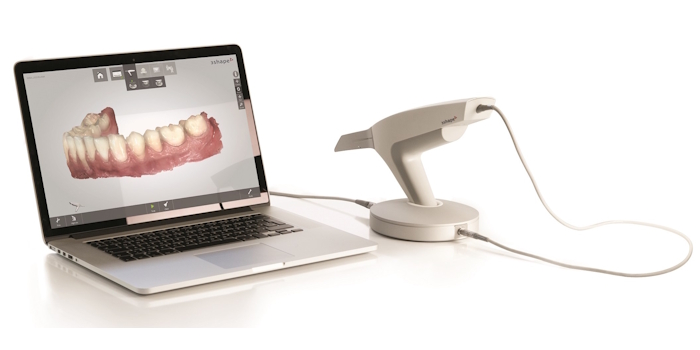
Digital 3D Scanning and Imaging
Digital scanning technology allows us to capture highly detailed 3D images of the teeth and surrounding structures using a small handheld scanner rather than traditional impression materials.
This technology may be used to create digital impressions for crowns, bridges, aligners, and other restorations, assist with treatment planning, and help monitor changes in oral health over time.
Potential benefits may include improved comfort by avoiding traditional impression materials, detailed digital images for treatment planning, and the ability for patients to view scans as part of the discussion about their care. This is especially useful for patients with a strong gag reflex.
Computer-Guided Restoration Design and Fabrication
Computer-guided design and fabrication (CAD CAM) technology enables dental restorations to be planned digitally and fabricated with precision using advanced manufacturing equipment.
This technology may be used to create crowns, bridges, veneers, implant-supported restorations, and other custom dental prosthetics.
Potential benefits may include a more efficient digital workflow, detailed customization during the design process, and consistency throughout restoration fabrication. Restorations can be delivered with a much reduced turn-around time.
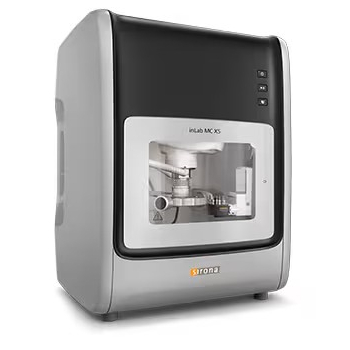
Precision Digital Milling Technology
Digital milling technology works alongside scanning and design systems to produce custom restorations from solid blocks of dental material based on digital treatment plans.
This technology may be used for crowns, bridges, veneers, implant restorations, and other restorative treatments.
Potential benefits may include accurate reproduction of digital designs, a more streamlined transition from planning to fabrication, and a coordinated approach to restorative care.
A Digital Approach to Care
By integrating digital scanning, treatment planning, and restoration fabrication technologies, we can take a more connected approach to dental care. Each step, from capturing images to creating restorations, is part of a coordinated digital workflow that supports communication, efficiency, and patient-centered treatment planning.